

Israel- Palestine War
Ukraine War
Synod 2023
Persecution
war and terrorism
Eucharistic congress
Israel- Palestine War
Ukraine War
Synod 2023
Persecution
war and terrorism
Eucharistic congress
Israel- Palestine War
Ukraine War
Synod 2023
Persecution
war and terrorism
Eucharistic congress
Israel- Palestine War
Ukraine War
Synod 2023
Persecution
war and terrorism
Eucharistic congress
Israel- Palestine War
Ukraine War
Synod 2023
Persecution
war and terrorism
Eucharistic congress
Israel- Palestine War
Ukraine War
Synod 2023
Persecution
war and terrorism
Eucharistic congress
MAGAZINES
VIDEOS



Human Rights Watch says Afghanistan humanitarian catastrophe likely to intensify
News Desk
Friday, 19 May 2023
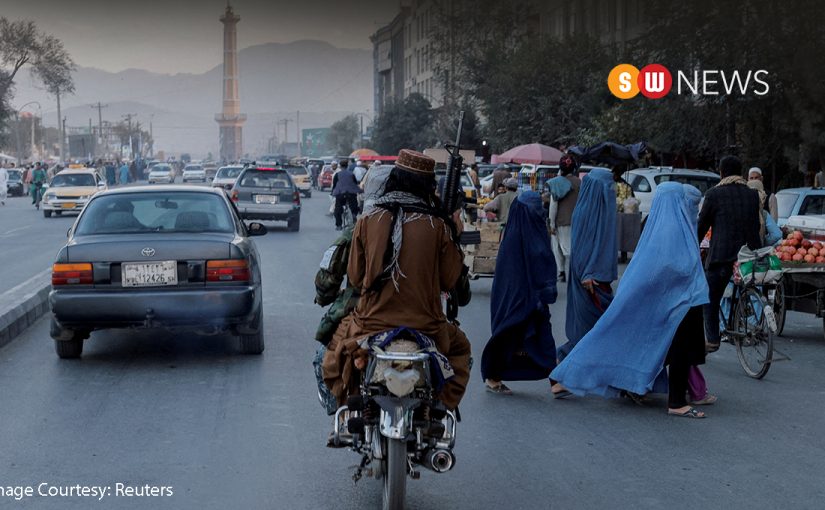


SW News: According to recent worldwide studies, a number of variables, including recurrent droughts and mounting humanitarian needs, have contributed to the current situation in Afghanistan. Analysts have cautioned that the issue will worsen unless immediate action is taken.
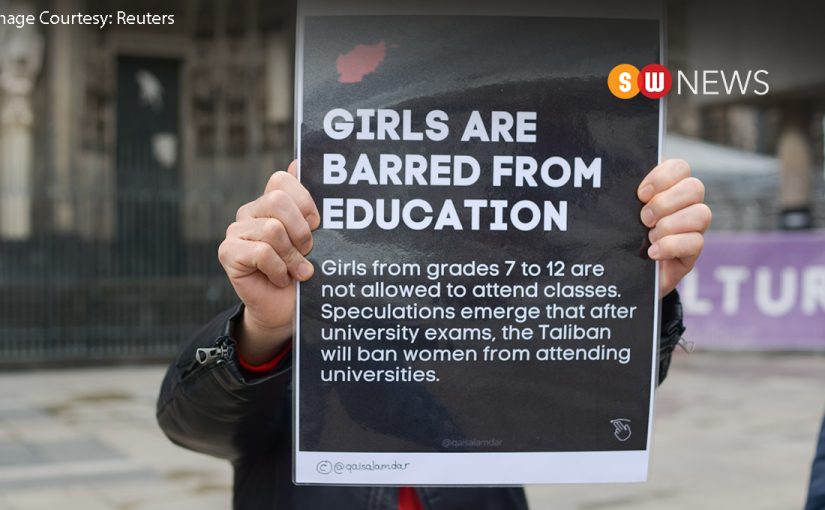
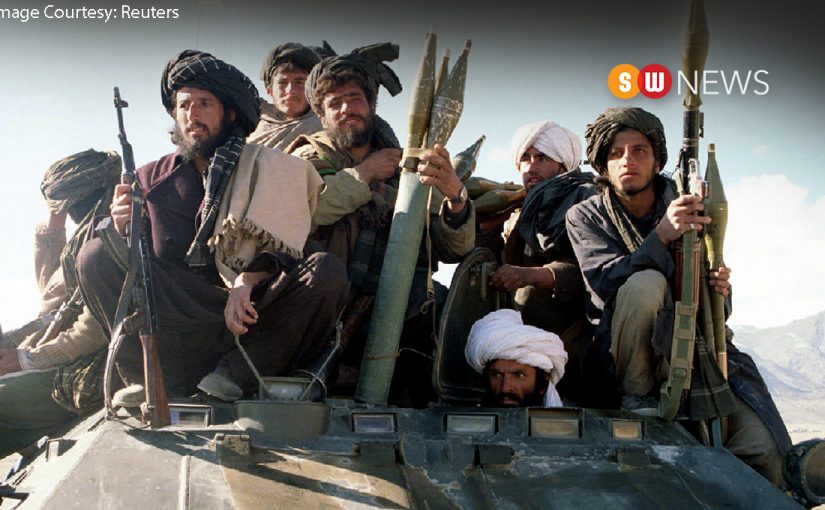
The crisis was triggered by the Taliban's increasingly harsh policies, such as their ban on women working for the UN and NGO groups, as well as the swift loss of the bulk of Western financing after the Taliban's takeover in August 2021.
The World Food Programme reported in a February 2022 poll that more than 100% of female-headed families struggle to secure enough food, with 85% resorting to drastic measures to protect their survival.
Two-thirds of the population lacks sufficient food, placing 875,000 children in danger of severe malnutrition.
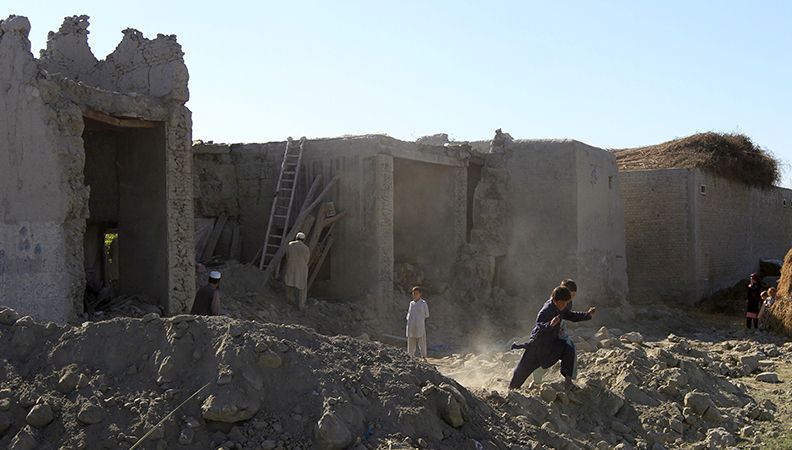
Afghanistan's shortage of food, water, shelter, and healthcare is mostly due to economic issues. The country's banking industry's collapse, which has cost hundreds of millions of dollars in lost revenues, has also contributed to rising expenses.
According to the International Federation of Red Cross and Red Crescent Societies, an estimated 28.3 million Afghans, the bulk of whom are women and children, need aid.
While a severe drought and the residue of decades of conflict have both contributed to the country's humanitarian problems, economic developments are ultimately to blame for the deterioration of the
situation.
According to Save the Children's country director, there is adequate food available, yet children are going hungry because their families cannot afford it. "It should have been prevented," he remarked. To avert other tragedies, we must act immediately.
Since August 2021, more than 90 per cent of Afghans have experienced food insecurity, forcing many to go without food for days or even weeks or to resort to extreme measures such as child labor.
In a Twitter video, UNICEF nutrition chief Melanie Galvin warned that persistent hunger might kill thousands of vulnerable Afghan children this year. He also stated that the Global Food Organization needs USD 21 million in emergency funds to buy food and train health workers throughout the country.
According to UNICEF, more than 28 million people, including more than 15 million children, need relief and security assistance in Afghanistan this year, making it one of the world's most serious humanitarian crises.
COMMENTS


RELATED NEWS