

Israel- Palestine War
Ukraine War
Synod 2023
Persecution
war and terrorism
Eucharistic congress
Israel- Palestine War
Ukraine War
Synod 2023
Persecution
war and terrorism
Eucharistic congress
Israel- Palestine War
Ukraine War
Synod 2023
Persecution
war and terrorism
Eucharistic congress
Israel- Palestine War
Ukraine War
Synod 2023
Persecution
war and terrorism
Eucharistic congress
Israel- Palestine War
Ukraine War
Synod 2023
Persecution
war and terrorism
Eucharistic congress
Israel- Palestine War
Ukraine War
Synod 2023
Persecution
war and terrorism
Eucharistic congress
MAGAZINES
VIDEOS



Report analyses efforts to end armed conflicts globally through peaceful mechanisms
News Desk
Thursday, 22 Jun 2023
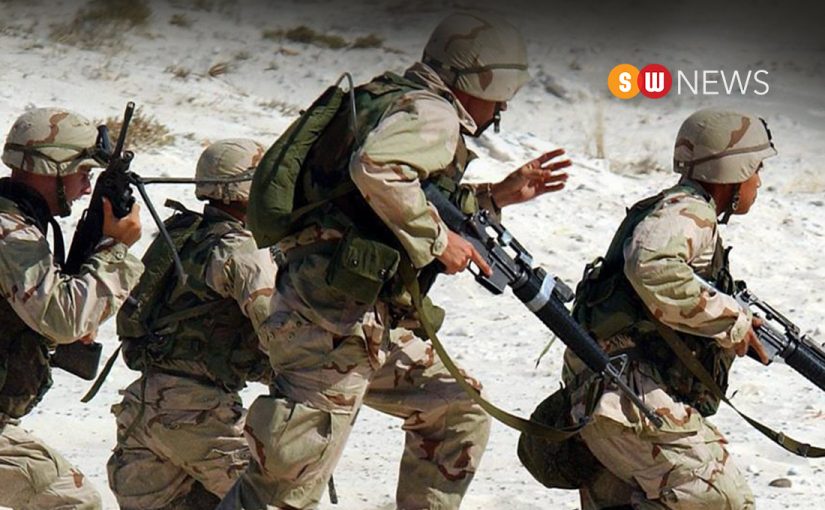


SW News: A recently-released report by the Autonomous University of Barcelona analyses multilateral efforts that seek to end armed conflicts globally through peaceful mechanisms.
The study ‘Peace Talks in Focus 2022’ details diplomatic, political, military, social, and humanitarian activities going on throughout the world right now.
It is a comprehensive compilation created by academics from the Autonomous University of Barcelona's Escola de Cultura de Pau or School for a Culture of Peace. The report provides an overview of conflicts by continent and nation, outlining the many contexts in which they occur.
The Church is currently involved in eight peace negotiations in Africa, America, and Europe.
The report, which represents 39% of all worldwide efforts, assesses the Tigray war, for instance, from the standpoint of the 15 ongoing processes and negotiations in Africa. Asia makes for 26% of ongoing instances (10 peace processes), Europe 15% (six peace processes), the Middle East and America 4% each, or 20% overall.
The study also says that Russia's invasion of Ukraine in February of last year had an impact on the development of a significant number of peace negotiations in 2022.
Gender perspective was used in the examination of the 39 peace processes to see whether they took into account the various effects that war had on men, women, and sexual minorities.
The comparative case study of peace processes reveals a number of elements that support their success, the first of which is coming to the conviction that dialogue is the best, if not the only, alternative and that military conflict is not necessary to attain the goals.
The study reveals that in order for everyone to benefit and no one to lose all, it is also necessary to be willing to compromise on one's own ideas. Third-party involvement is another strategy to quicken the peace process. To contribute to the dialogue and aid in a negotiated end to the conflict, these actors, typically international institutions or bodies need to be given security.
According to the analysis, third parties like the United Nations might be present actively in 90% of the negotiating processes in 2022. The Catholic Church is collaborating in the peace processes in Cameroon, Mozambique, the Central African Republic, the Democratic Republic of Congo, South Sudan, Colombia, and Haiti, and now its contribution is officially added to the others to facilitate dialogue in the conflict between Russia and Ukraine. The ecclesial presence takes the form of the participation of agents of Vatican diplomacy, the mediation of various Bishops' Conferences, or the missions of communities such as Sant'Egidio.
COMMENTS


RELATED NEWS