

Israel- Palestine War
Ukraine War
Synod 2023
Persecution
war and terrorism
Eucharistic congress
Israel- Palestine War
Ukraine War
Synod 2023
Persecution
war and terrorism
Eucharistic congress
Israel- Palestine War
Ukraine War
Synod 2023
Persecution
war and terrorism
Eucharistic congress
Israel- Palestine War
Ukraine War
Synod 2023
Persecution
war and terrorism
Eucharistic congress
Israel- Palestine War
Ukraine War
Synod 2023
Persecution
war and terrorism
Eucharistic congress
Israel- Palestine War
Ukraine War
Synod 2023
Persecution
war and terrorism
Eucharistic congress
MAGAZINES
VIDEOS



South Sudan among deadliest places for humanitarian workers to operate: Report
News Desk
Saturday, 14 Jan 2023
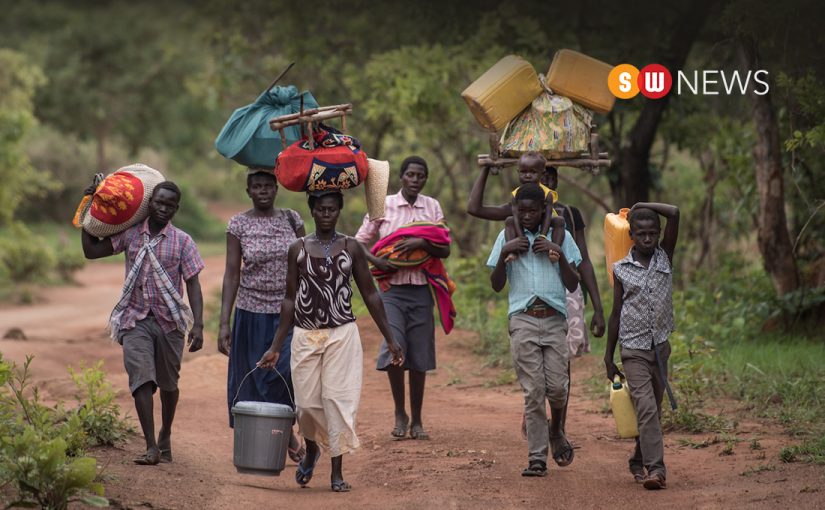


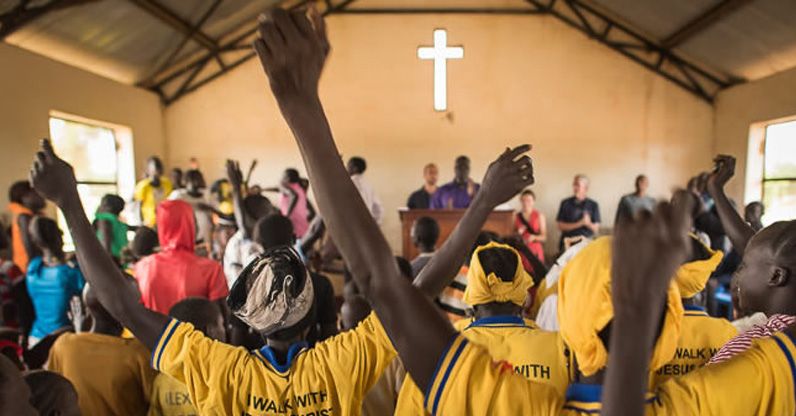
SW News: South Sudan is among the most dangerous places for humanitarian workers to operate, according to Human Rights Watch's 33rd annual World Report. The report provides an overview of the global human rights situation in more than 100 countries in 2022.
The United Nations warned that in January, a humanitarian worker was shot dead while returning from his work aiding vulnerable people near Bentiu, impeding much-needed relief efforts.
In February, three health workers were killed and four others were injured when an unidentified group of gunmen assaulted a humanitarian truck transporting polio vaccines in Lake state between Rumbek Centre and Rumbek North.
In separate events in April, youngsters in Torit town, Eastern Equatoria, physically assaulted employees of a UN agency and a national nongovernmental organization (NGO). The youngsters entered an International Rescue Committee (IRC) property in Jamjang, Ruweng Administrative Area, and violently attacked staff members, inflicting several injuries.
In Budi County, Eastern Equatoria state, a female relief worker from Cordaid was shot and killed in May. In "unclear circumstances," Dr. Louis Edward, an IRC healthcare worker, passed away on May 21 in a medical institution in Ganyliel Payam, Panyijiar County.
Civilians continued to suffer greatly as a result of inter-communal violence, abuses by security forces and armed groups, and pervasive impunity. The UN reported that the country was experiencing the worst levels of food insecurity since independence, which was aggravated by Covid-19 and harsh weather.
President Salva Kiir appointed members of the reformed Transitional National Legislative Assembly in May as per the 2018 peace agreement. However, the national security agency was not reined in by the administration. Critics, including journalists and members of civil society, continued to be arbitrarily arrested by the authorities, who frequently held them for protracted periods without accusation or trial.
Amnesty International released a study in February on the abusive physical and communications monitoring capability of the government and how it is being used without safeguards, establishing a culture of fear and self-censorship among individuals.
According to a June UN report, community-based militias and inter-communal conflict were to blame for more than 80% of civilian fatalities. In Central Equatoria, inter-communal fighting, cattle raiding, and revenge attacks between armed youth groups resulted in hundreds of deaths and injuries, thousands of displaced people, and the suspension of humanitarian aid in many areas.
COMMENTS


RELATED NEWS